Collaborative efforts to eradicate gender-based violence (GBV) and child marriages are bearing fruits in traditional authorities (T/As) Kyungu, Kilupula and Mwakawoko in Karonga.
Hitherto a haven of kupimbira, a cultural tradition where girls as young as nine years old were being married off (by force) to rich men [often older] in settlement of debts or for financial gain, the district is now emerging as a champion in the fight against child marriages.

This is a result of the intervention of the Catholic Commission for Justice and Peace (CCJP) through its ‘Enhancing Effective Protection and Promotion of Rights of Women and Girls from Gender Violence through Improved Justice Delivery, Self-advocacy, and Self-activism’ project.
The project, funded by the Norwegian Church Aid – DanishChurchAid (NCA-DCA) Malawi Joint Country Programme, was designed to eliminate all forms of violence against women and girls in the district.
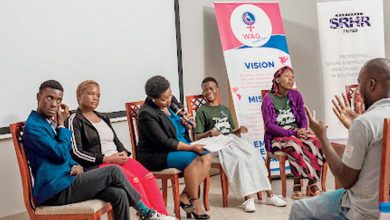
CCJP worked with local structures such as zone implementation committees (ZIC), as it’s epicentre, mother groups, chiefs, religious leaders, male champions, child protection workers (CPWs), youth, community victim support unit (CVSU), health workers and teachers.
Speaking on behalf of other CPWs, Mabvuto Shoghe from Chief Kilupula’s area said they have registered a huge impact, including rescue of nine children from traffickers from Tanzania last year.
“We also rescued 32 girls from child marriages while 148 GBV cases were dealt with through mobile courts. This is courtesy of CCJP and our collaborating partners,” said Shoghe.
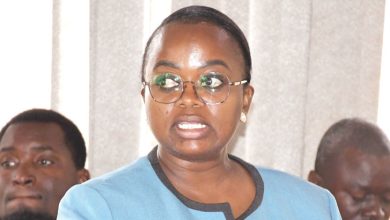
CCJP gender project officer Stella Zimba-Wella described child marriage as a serious violation of girls’ human rights “because it denies their right to health care, education, security and choice of when and whom they marry”.
She said: “It also reinforces and compromises the health and security of women and girls. Further, child marriage prevents girls from achieving their full economic and social potential.”
Zimba-Wella further observed that married girls have few social connections, restricted mobility, limited control over resources and little or no power in their new households.
She said it is against this background that the CCJP sourced funding for the intervention, which was piloted in the three traditional authorities.
Eliness and Tawina, both from Lameck Village, are among beneficiaries of the project in Traditional Authority T/A Kilupula.
They had barely celebrated their 14th birthday when they got married in September 2023. But through the intervention of the mother group, the two were rescued from marriage and sent back to school.
Eliness said it was poverty that drew her into marriage.
“Instead of finding happiness and wealth, I went through hell at the hands of a 28-year-old polygamous man. He tortured me as he wished and never supported me,” she recalled.
Asimenye Sembo, the only female teacher at Chikutu Primary School where Eliness and Tawina have been readmitted, said the two girls are coping well and working hard to catch up with their fellow learners.
“When they face challenges, they consult me. Their fellow learners, too, are accommodating them well,” said Sembo.
Bertha Kikome from T/A Mwakaboko is one of the beneficiaries of the mobile courts. She commended CCJP for introducing mobile courts, which have been imposing stiff penalties on stray and errant husbands who neglected their children.
“I’m receiving K40 000 monthly child maintenance from my ex-husband after the court found him guilty of child neglect. Through the same initiative, I was also trained as a tailor and, today, I own a where I sew and sell clothes,” she said.
ZIC chairperson Brave Kanjere disclosed that the intervention has played a critical role in addressing problems of child marriages in the areas.
Senior group village head Mwangolera of Traditional Authority Kilupula confessed that, just like any other district in Malawi, child marriages were a serious problem in Karonga.
He said the problem was exacerbated by parents’ lack of knowledge and awareness on the rights of their children.
Mwangolera pleaded with CCJP to consider extending the project’s period, stressing that there were still many gaps to be filled.
“Please ask the donors to provide additional funding so that this intervention registers its much-desired goal of ending child marriages in this area,” he pleaded.
District liaison officer for DAI – Governance for Solutions (GfS) Christobell Munthali agreed with the chief, emphasising that after unearthing the underlying causes of child marriages and GBV, it was imperative to find solutions.